
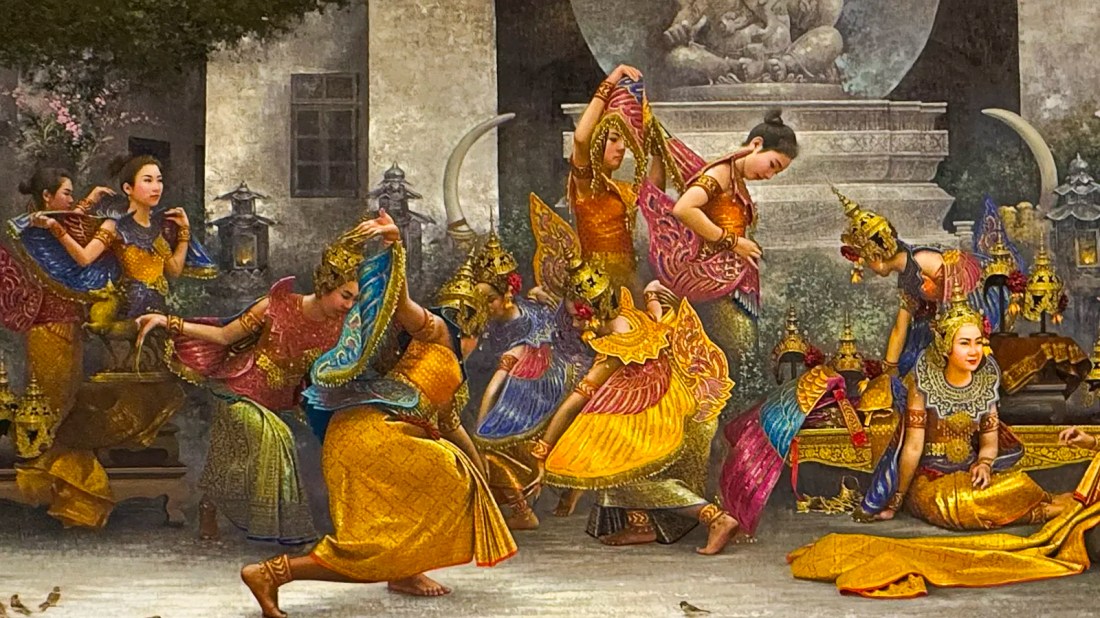
Welcome to my ongoing series highlighting some of my favorite museums from around the world. Over the past few years, I’ve found that visiting museums has become one of my priorities whenever I travel somewhere new, as they offer one of the best ways to gain insight into a people and their culture—revealing what they value, preserve, celebrate, and consider important to their shared identity.
For today’s spotlight, we’ll be featuring MOCA Bangkok.
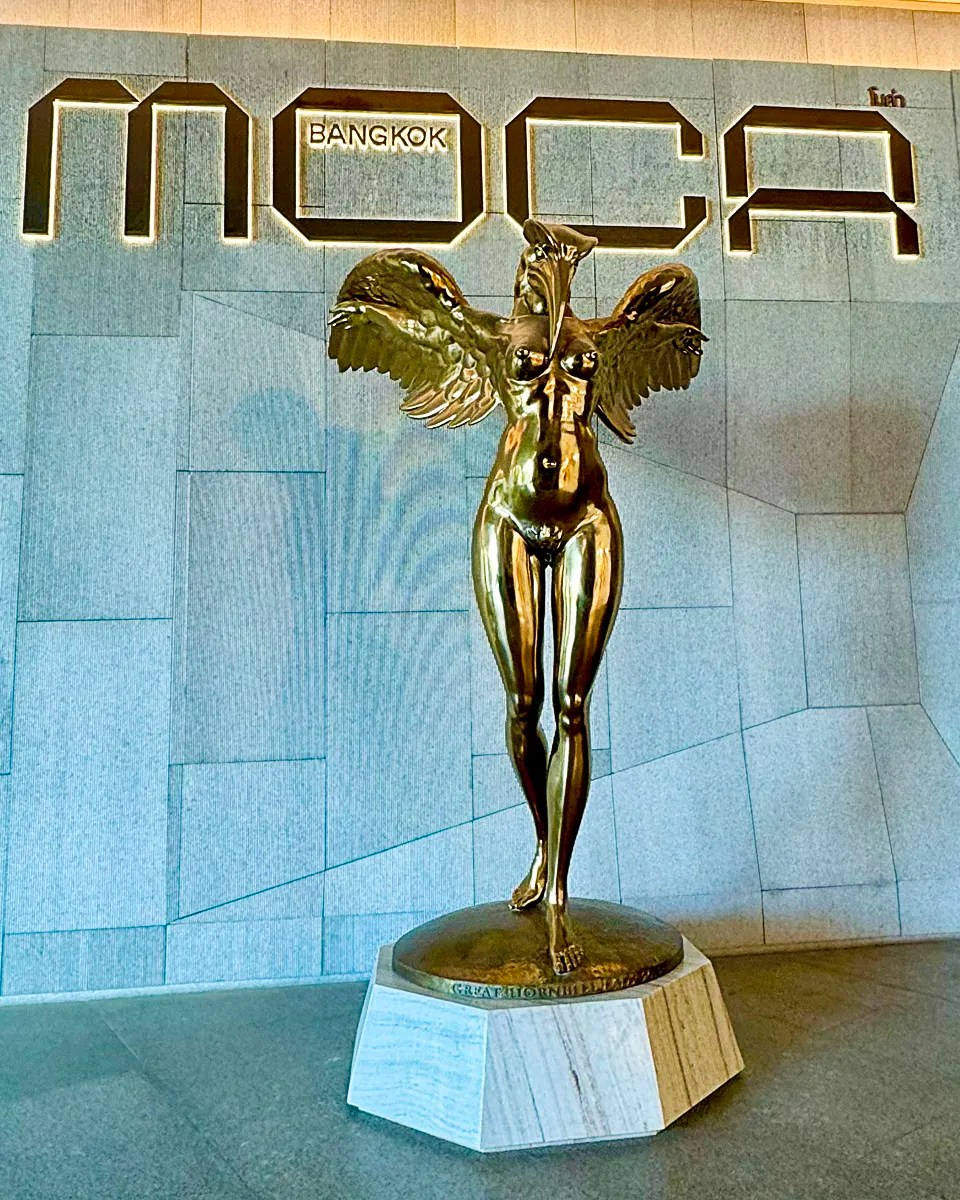
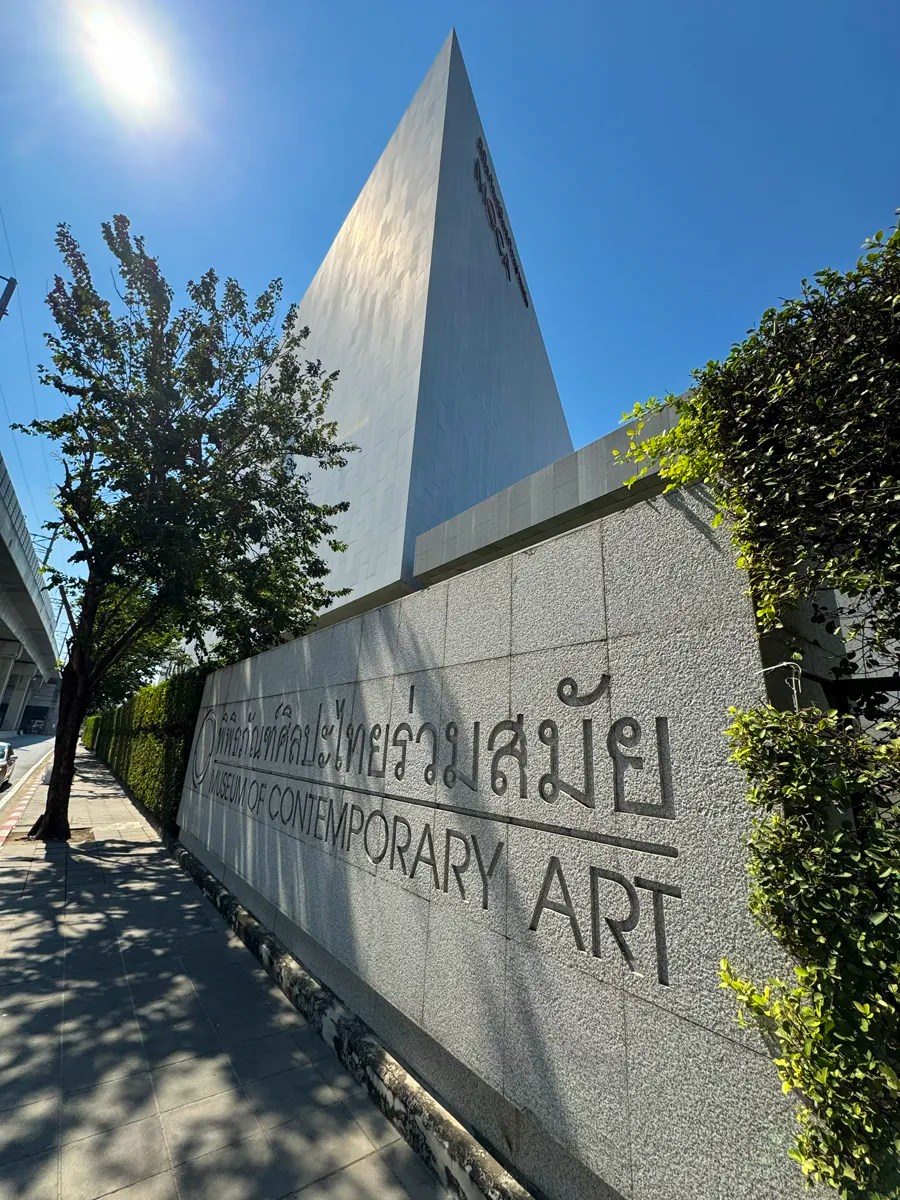
MOCA Bankok
MOCA Bangkok was one of those unexpected travel experiences that stayed with me long after I left. In fact, it ranks among the top five places I visited during my time in Thailand.
One of the first things that struck me was the museum itself. Housed in a beautiful modern building, MOCA’s clean, contemporary architecture provides a striking backdrop for the artwork inside. Yet the modern appearance of the building and the contemporary nature of the collection never feel disconnected from Thailand’s history and culture.
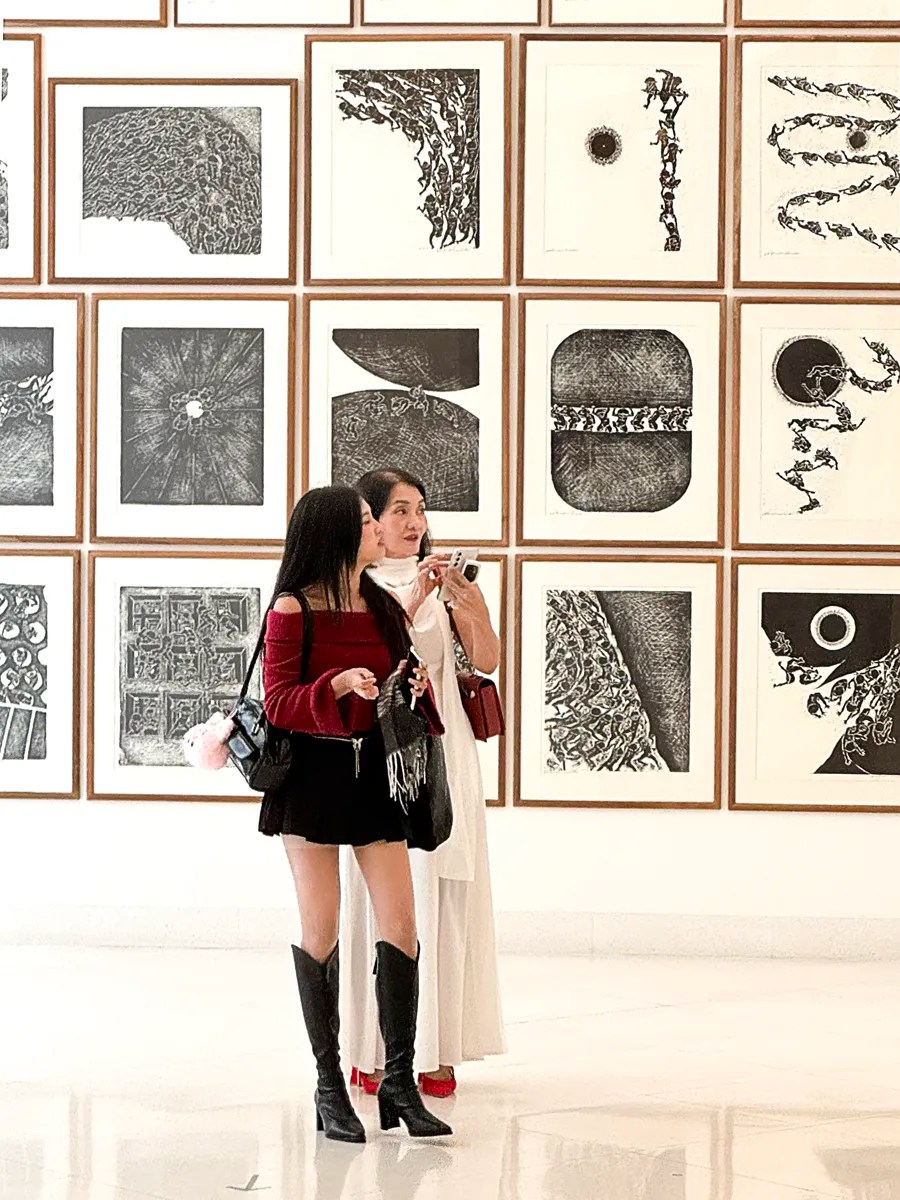
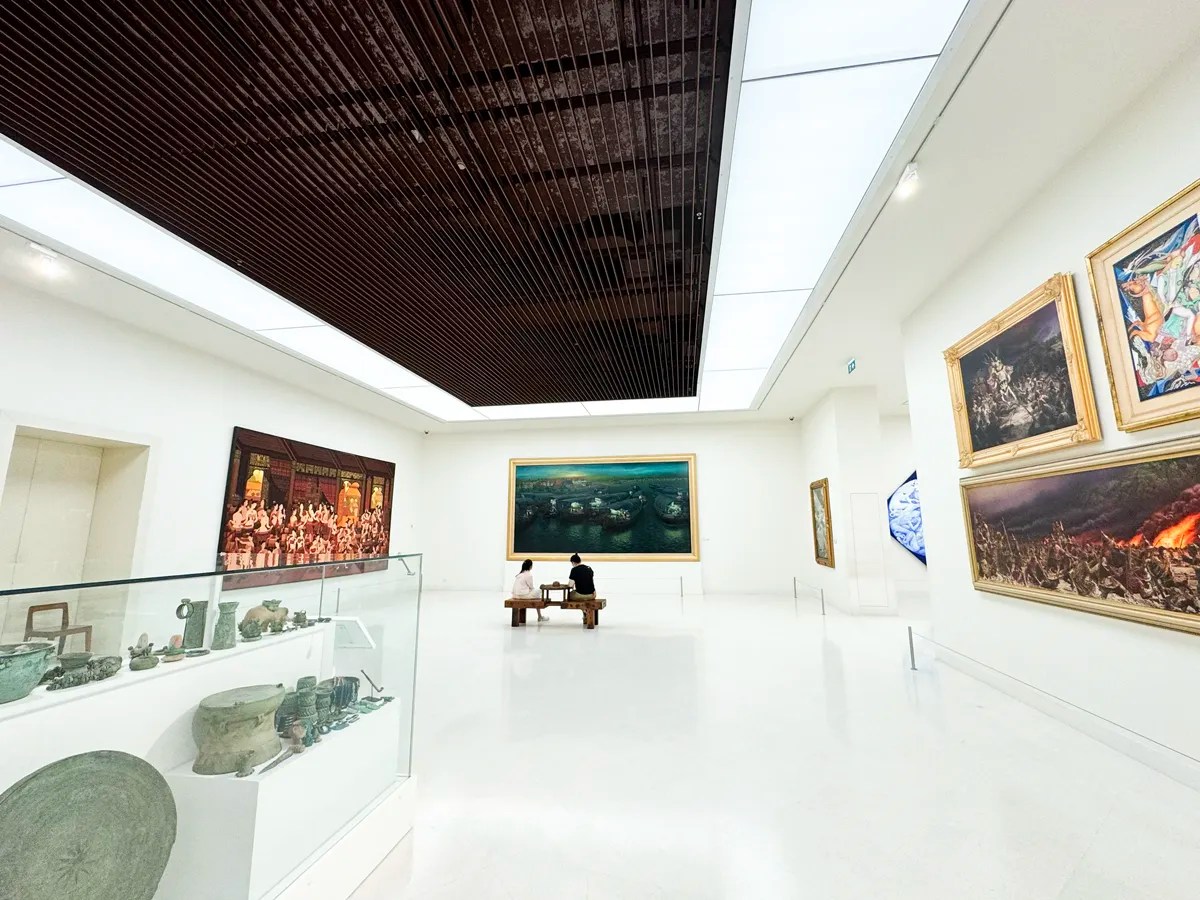
And then there is the color.
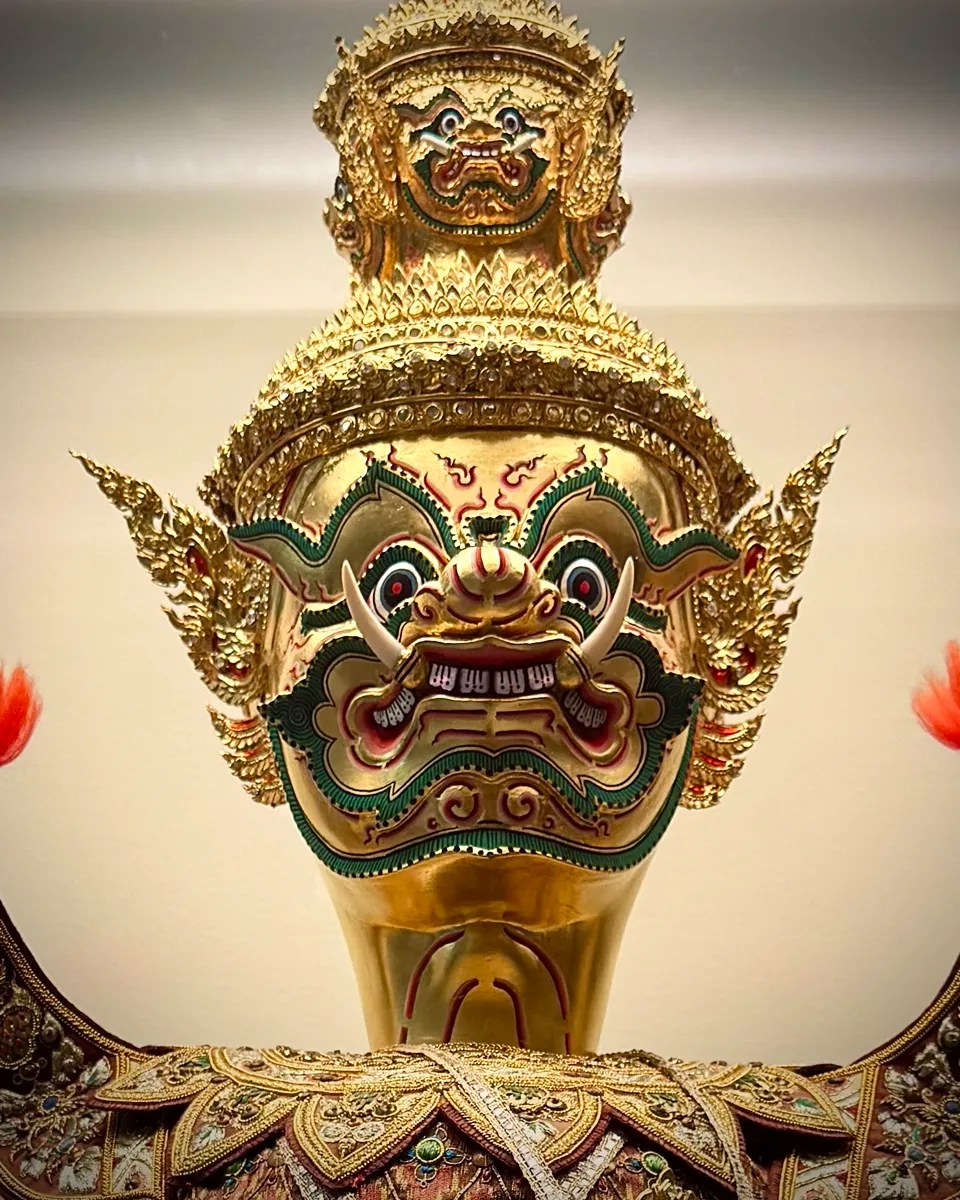
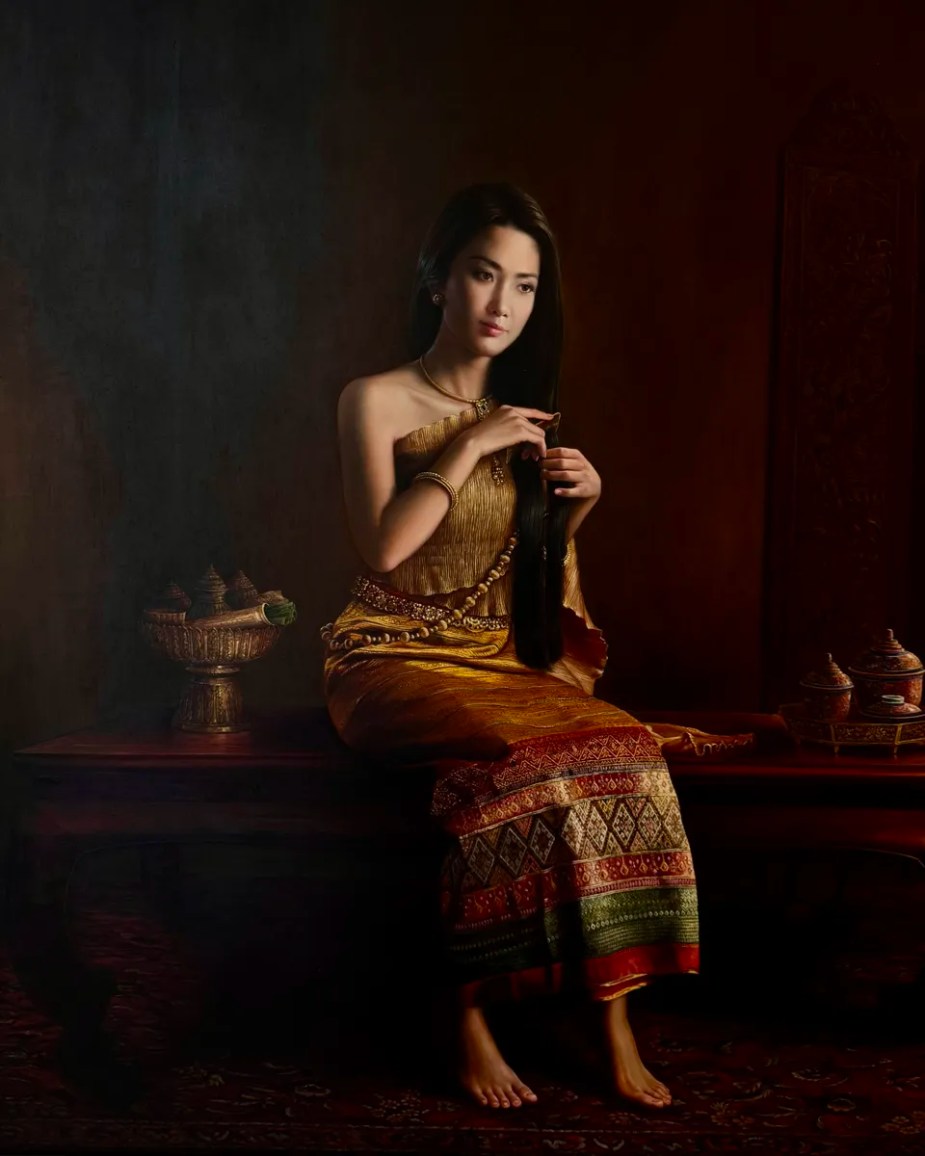
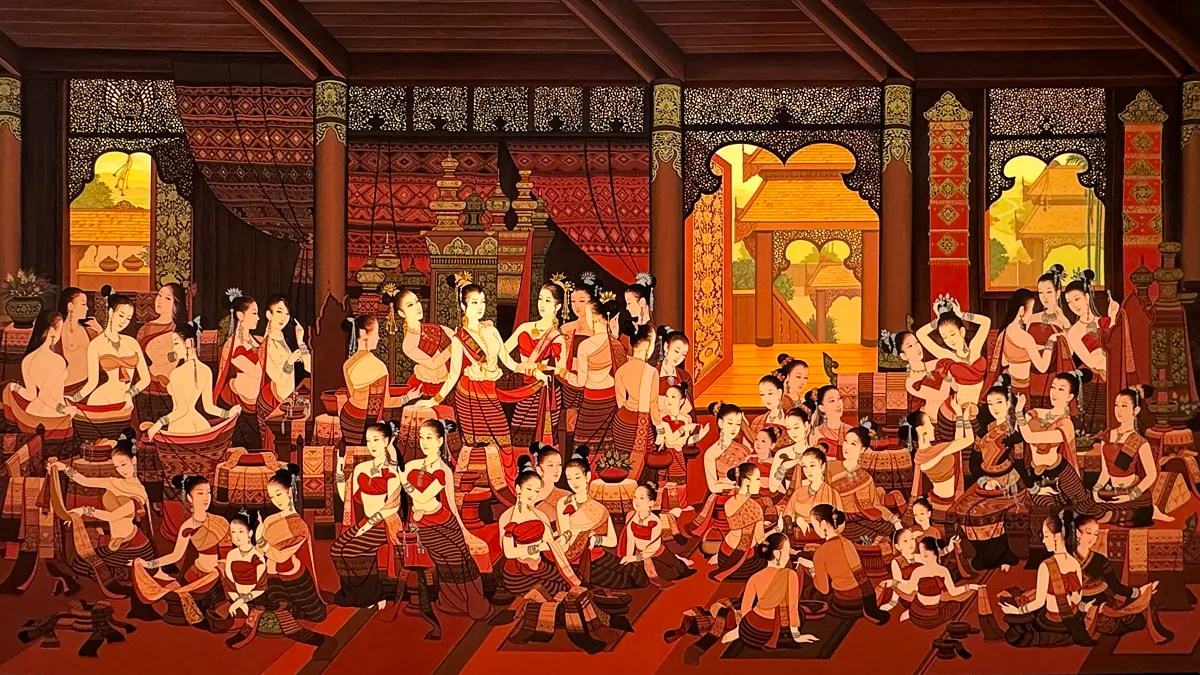
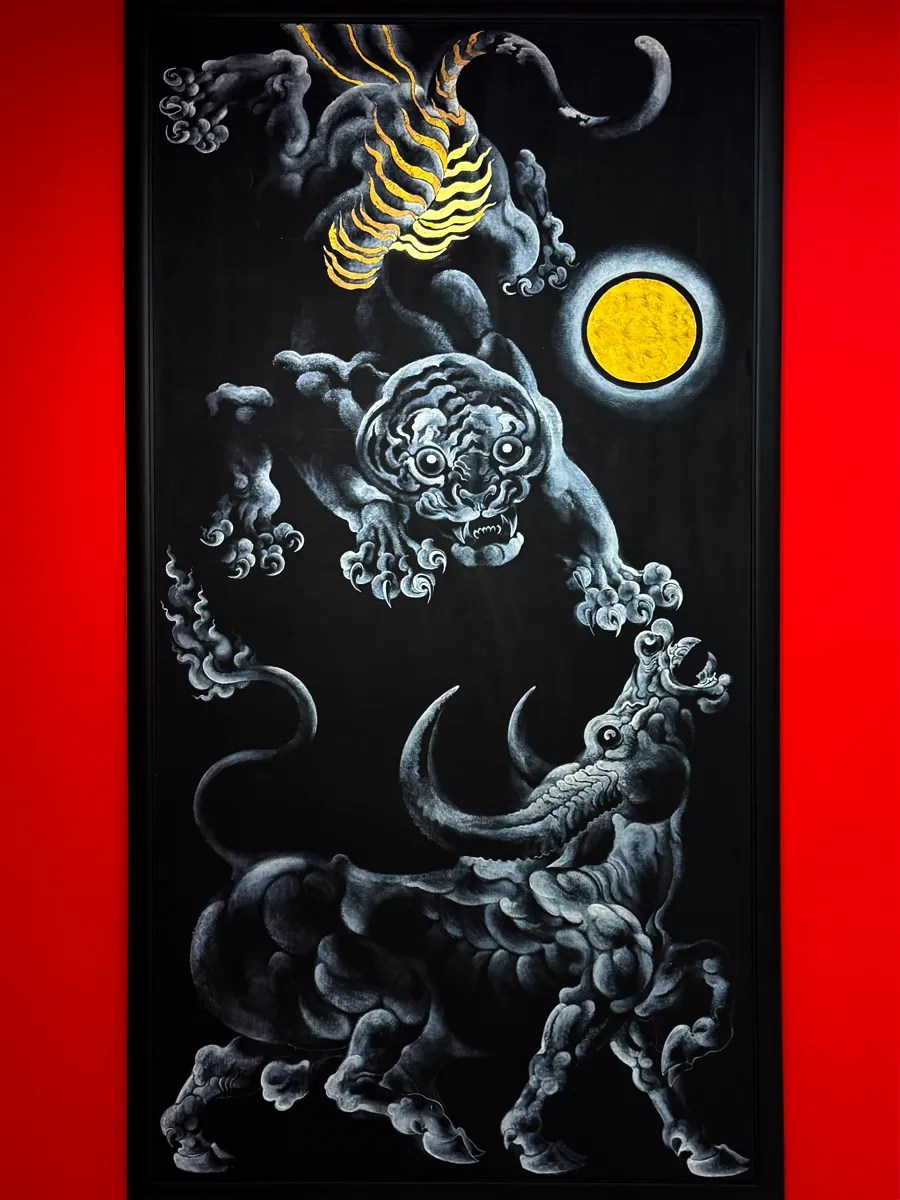
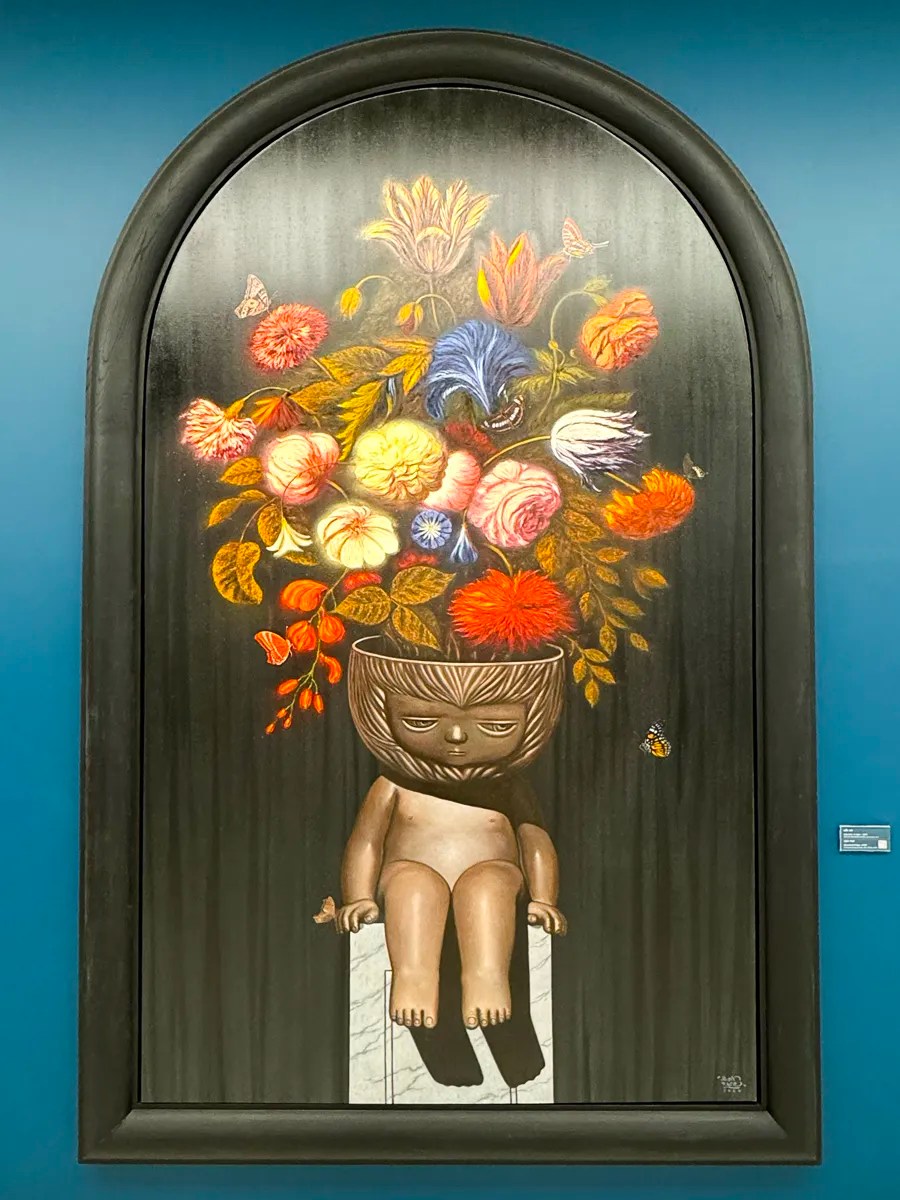
MOCA is easily one of the most vibrant museums I’ve visited. Brilliant reds, golds, blues, greens and countless other colors fill the galleries, creating an experience that is almost overwhelming at times—in the best possible way.
Those colors felt familiar from my travels throughout Thailand. I had seen many of the same vivid hues in temples and historic sites, murals and architecture, textiles and decorations, and throughout the everyday visual landscape of the country.
Seeing that same visual energy expressed through contemporary art gave me a different appreciation for it.
Contemporary Art With Deep Cultural Roots
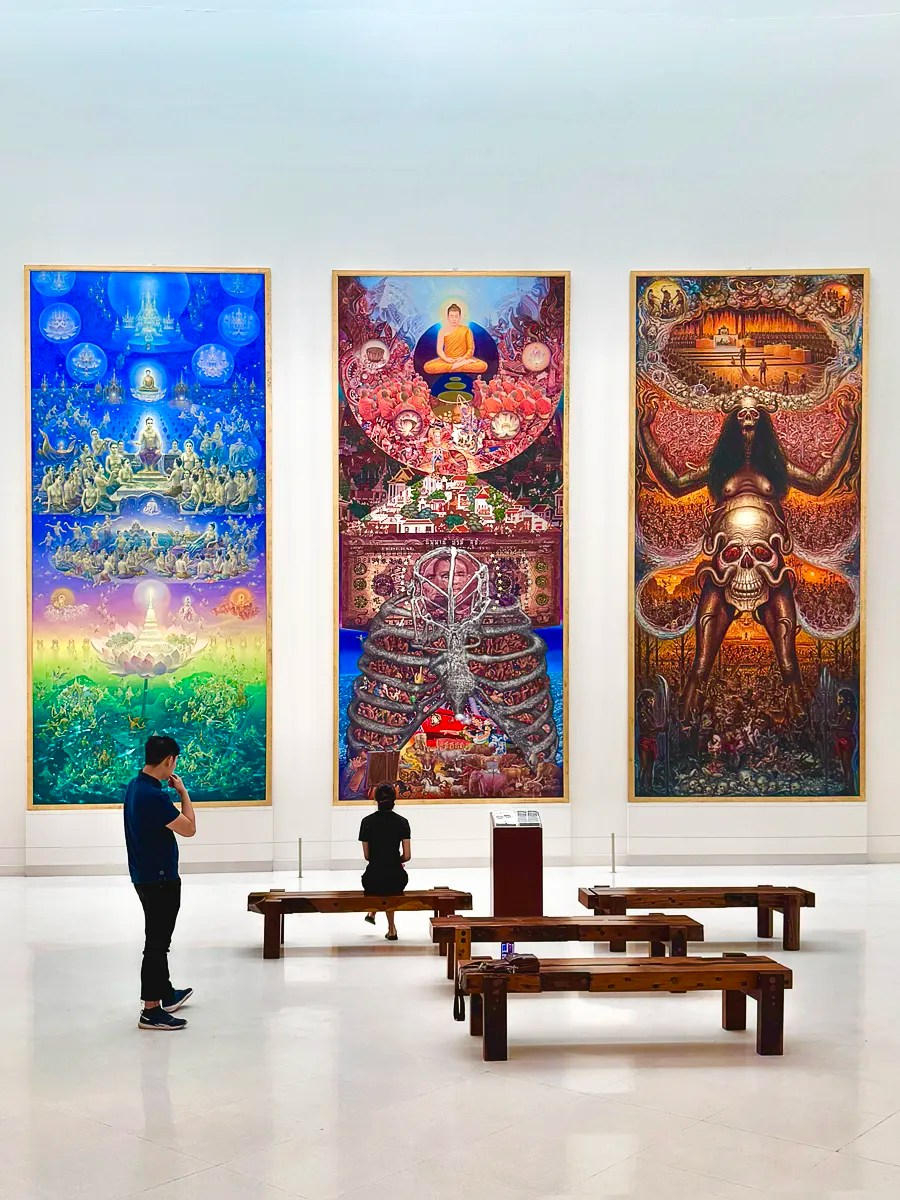
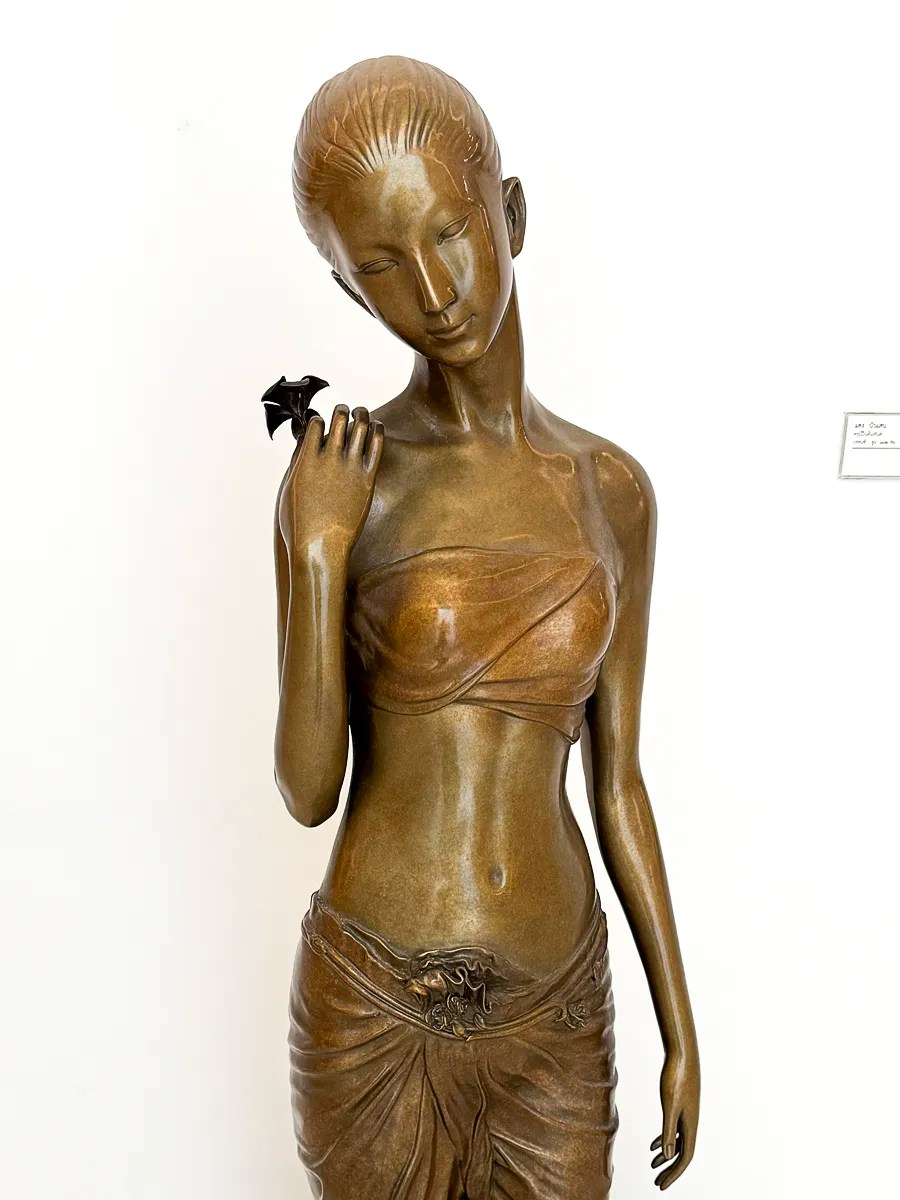
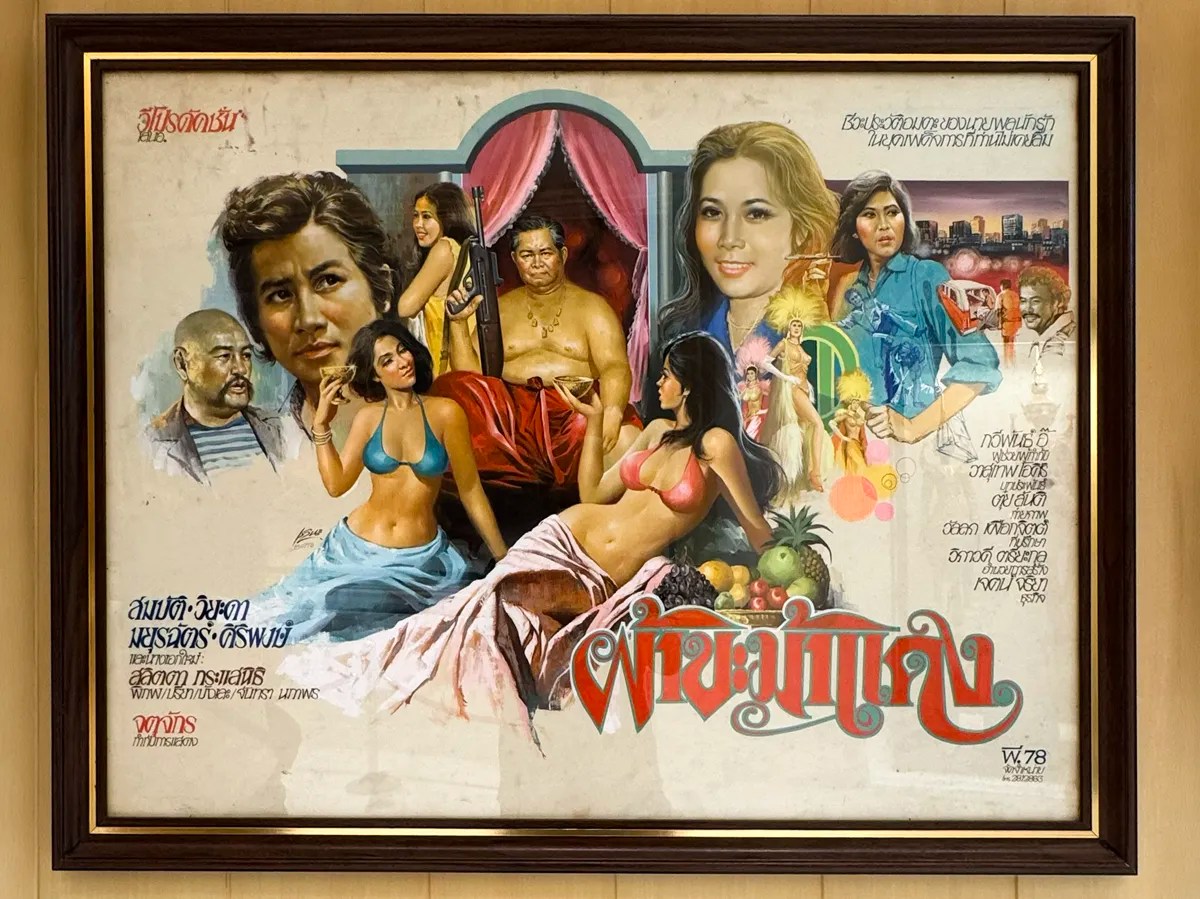
What surprised me most about MOCA was how distinctly Thai much of the contemporary art felt.
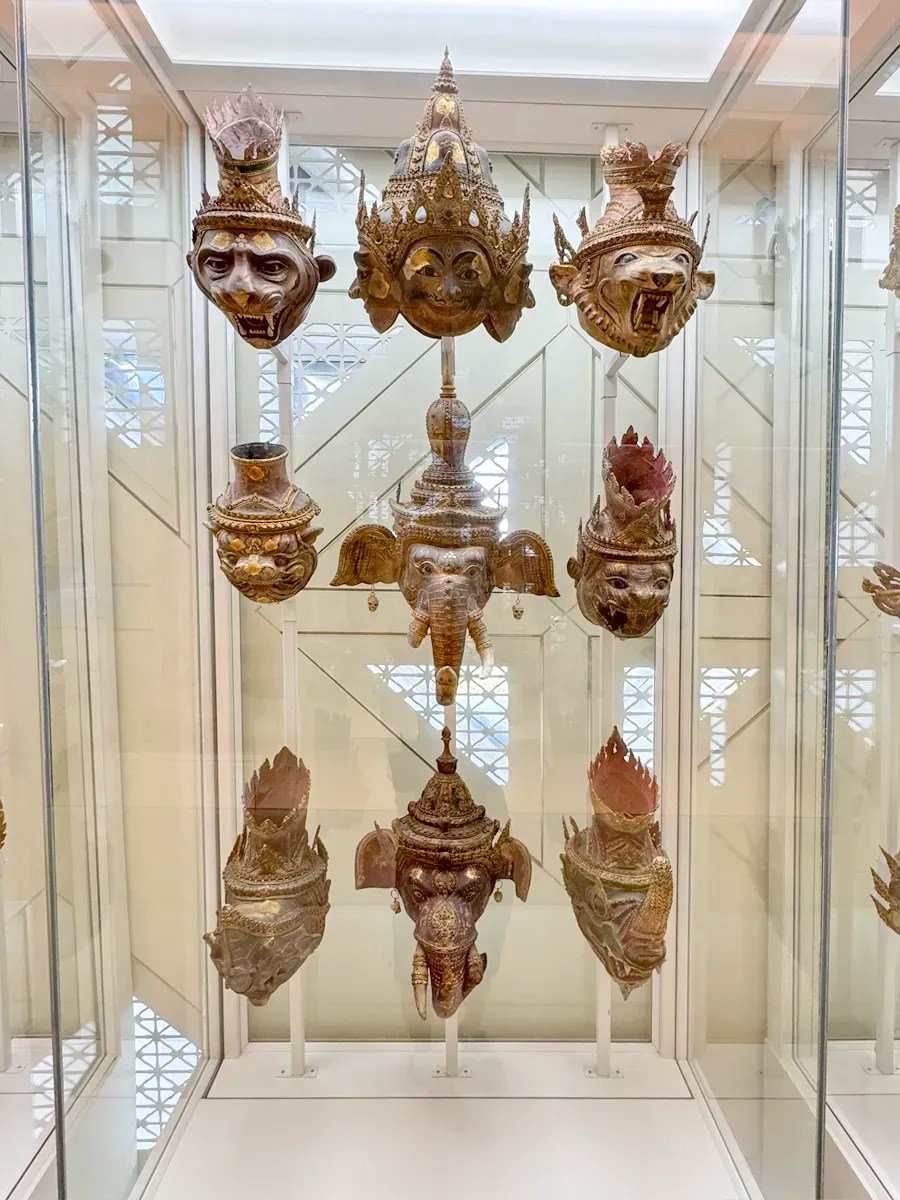
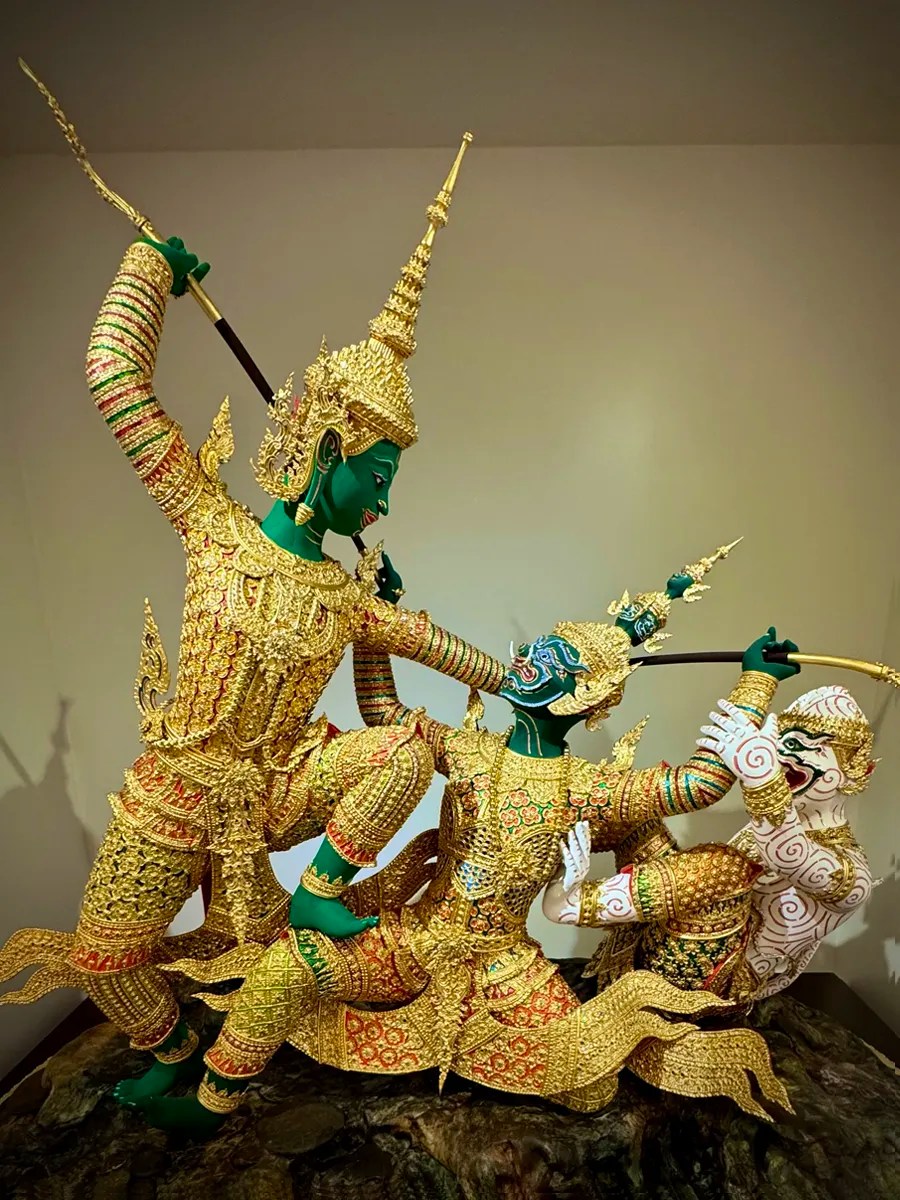
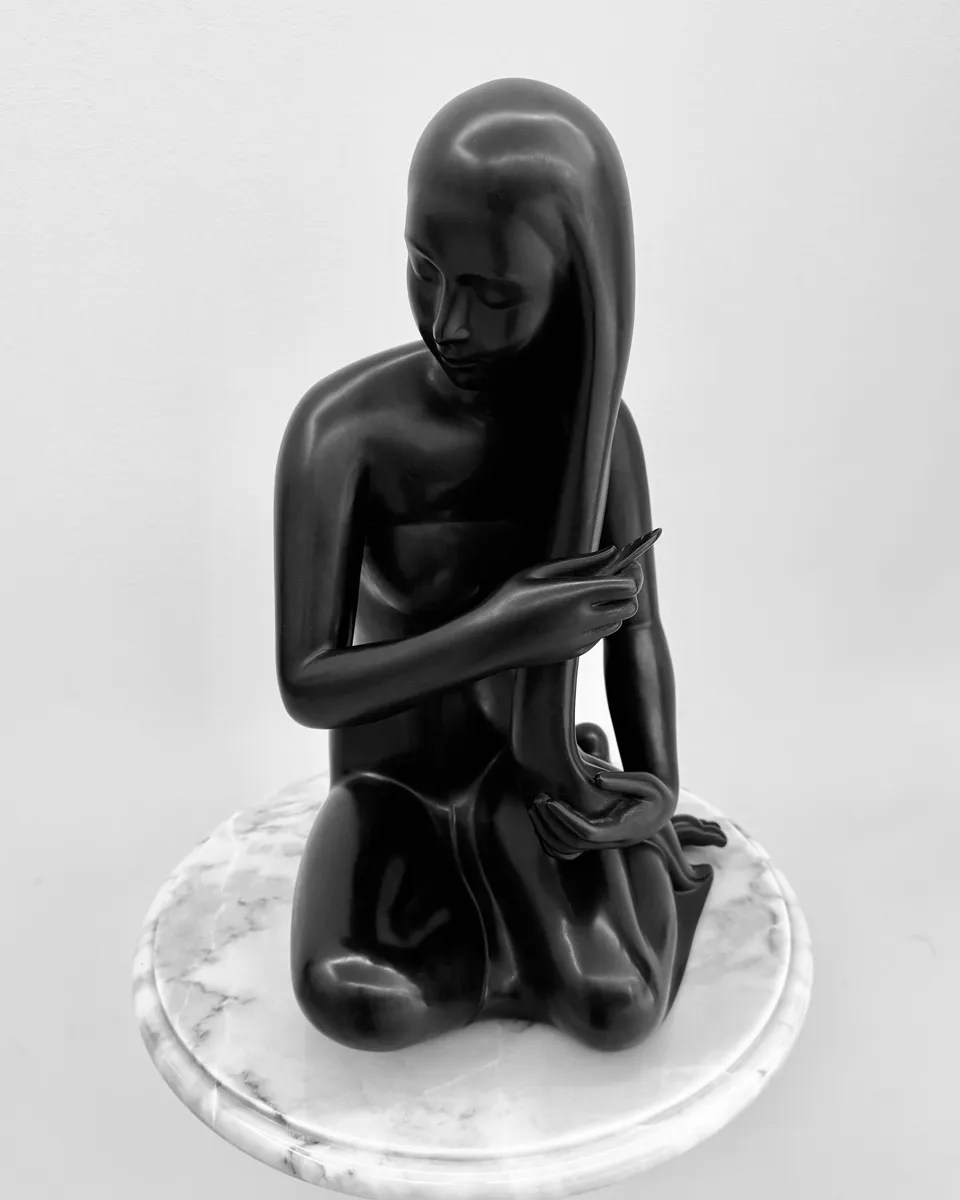
The collection draws heavily on Thailand’s traditions, history and cultural identity, incorporating themes of Buddhism, mythology, spirituality, nature and everyday life into modern paintings, sculpture and other forms of artistic expression. Some works also reinterpret stories and traditions that extend far beyond modern Thailand, including the Ramayana and Mahabharata.
That was one of the things I appreciated most about the museum. The artwork may be contemporary, but it doesn’t feel disconnected from the culture that produced it. Instead, artists take elements of Thailand’s past and reinterpret them through a modern lens.
For a traveler, I think that makes MOCA particularly interesting. You don’t need to be an art historian to appreciate what you’re seeing. The artwork becomes another way of experiencing and understanding Thailand.
Even the Building Tells a Story
The architecture itself is worth spending some time appreciating.
The museum was designed to resemble a massive block of granite, with an intricately carved façade featuring jasmine motifs. During the day, sunlight passes through these openings and casts jasmine-shaped patterns onto the walls and floors of the central atrium.
Inside, the enormous atrium creates an impressive sense of scale, with galleries arranged around the open space.
At its center stands a statue of Professor Silpa Bhirasri, an Italian-born sculptor and educator widely considered the “Father of Modern Thai Art.” Bhirasri played a major role in the development of modern art education in Thailand and helped establish the foundation for what would eventually become Silpakorn University.
His presence provides an interesting connection to the museum’s larger story. MOCA isn’t simply displaying contemporary Thai art; it reflects the evolution of Thai art and the ways artists have incorporated outside influences while continuing to draw upon their own traditions and cultural identity.
The Vibrancy of Thailand
Ultimately, what I remember most about MOCA isn’t a particular painting or sculpture. It’s the feeling of being surrounded by color.
Throughout my travels in Thailand, I’ve always been struck by the country’s incredible visual character—the brilliant colors of temples, the gold of Buddhist architecture, the decorations found in markets and festivals, and the colors of traditional clothing and textiles.
At MOCA, so much of that visual energy is brought together and reinterpreted through contemporary art.
For me, that’s what makes the museum special. It manages to be thoroughly modern without losing sight of where it came from.
The result is a museum that doesn’t simply showcase Thai art. It feels like a celebration of Thailand’s creativity, history, culture and people.
A Few Interesting Things About MOCA Bangkok
It began as a personal collection.
MOCA was founded by Thai businessman and art collector Boonchai Bencharongkul and grew out of his passion for Thai art. The museum opened to the public in 2012 and now houses more than 1,000 works by Thai and international artists.
Look for the jasmine.
The museum’s distinctive exterior incorporates jasmine-inspired patterns into its design. Sunlight passing through the façade creates changing jasmine-shaped patterns inside the building.
Contemporary doesn’t mean disconnected from the past.
Throughout the museum, traditional Thai culture, Buddhism, mythology and history appear alongside contemporary artistic styles. It’s a good example of how Thailand’s artistic traditions continue to influence modern artists.
My Take
MOCA Bangkok is easily one of my favorite museum experiences in Thailand—and one of my favorite experiences in the country overall. What I loved most was how it manages to be thoroughly contemporary while still feeling unmistakably Thai.
The art, architecture and colors come together in a way that feels both beautiful and deeply connected to the country.
If you’re interested in experiencing Thailand beyond its temples, beaches and traditional historic sites, I think MOCA offers a fascinating way to see another side of Thai culture.
Museum at a Glance
MOCA BANGKOK — Museum of Contemporary Art
📍 Location
499 Kamphaeng Phet 6 Road, Lat Yao, Chatuchak, Bangkok 10900, Thailand
🌐 Official Website: MOCA Bangkok
🕐 Hours
Tuesday–Sunday: 10:00 AM–6:00 PM
Closed Mondays
🎟️ Admission
Adults: 400 THB
Students with valid ID: 120 THB
🎨 Collection
More than 1,000 works by Thai and international artists
📐 Size
Approximately 20,000 square meters
🚆 Getting There
Bang Khen Station on the SRT Red Line is one of the more convenient public transportation options, with the museum a short walk from the station. Taxis and rideshare services are also practical options from central Bangkok.
⏱️ How Much Time Should You Allow?
I’d recommend allowing 2–3 hours to explore MOCA without feeling rushed. If you’re particularly interested in art, you could easily spend longer.
☕ On Site
The museum has a café and museum shop, making it easy to turn your visit into a relaxed half-day outing.


